Hand-spun, hand-woven, and unlike anything else.
What it’s made of
Khadi is cotton made by a different process. The yarn is hand-spun on a charkha and the cloth is hand-woven on a handloom. That is what makes every metre slightly irregular, slightly textured and entirely individual.
A short history
Khadi became a symbol of the swadeshi movement when Mahatma Gandhi took up the charkha and urged people to spin and wear their own cloth. After independence, the Khadi and Village Industries Commission (KVIC) was set up by an Act of Parliament in 1956. Under the Khadi Mark Regulations of 2013, cloth sold as khadi is meant to carry a KVIC Khadi Mark tag.
What it feels like
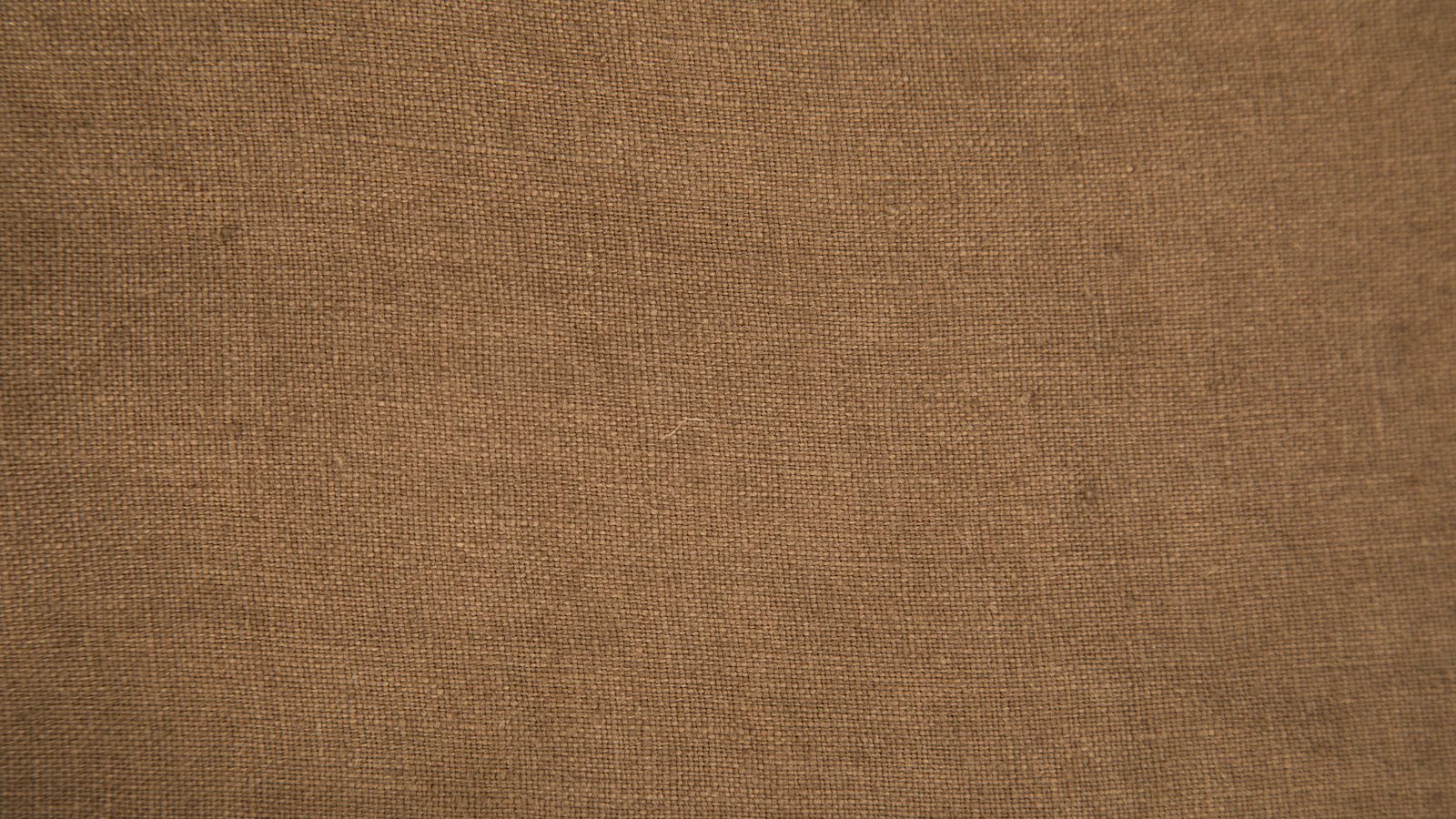
Khadi has a tactile quality you feel with your hands: a slight unevenness, not slippery, not silky, not crisp. It feels honest. After a few washes it softens considerably.
How it wears
Khadi is heavier than mulmul at 100–140 GSM, so it has more drape weight. It holds pleats reasonably well and suits occasions where you want the fabric to feel substantial.
How to tell genuine khadi
- Slubs and irregularity. Hand-spun yarn is never perfectly even. Machine-spun imitations look uniform.
- The Khadi Mark. KVIC-certified khadi carries a tag with the charkha symbol.
- The weave. Khadi should feel like cloth made slowly, not factory-smooth.
- Ask us. Message WhatsApp 9187109424 and we will tell you how a particular saree was made.
How to wash it
- Wash: Machine wash gentle in cold water, or hand wash. Wash a new khadi saree on its own the first few times, since handspun and hand-dyed cloth can bleed a little.
- Dry: Hang in the shade. Khadi dries slowly because of its weight.
- Iron: Medium heat while slightly damp. Khadi responds well to a warm iron.
Hand embroidery, such as the Harsingar embroidery on some of our khadi sarees, is best washed gently and ironed on the reverse side. More in Caring for cotton sarees and embroidered sarees.
A note on weight
100–140 GSM. Noticeably heavier than mulmul or voile.
Where it comes from
Khadi is made in craft clusters across India, including Gujarat, West Bengal and Wardha in Maharashtra, and through KVIC-linked institutions.
Best for
- Rozana: daily wear with cultural grounding
- Daftar: office wear that makes a quiet statement
- Anyone who wants to wear fabric with history and meaning
If you like Khadi, read next
Khadi Cotton: quick answers
What is khadi?
Cotton cloth where the yarn is hand-spun on a charkha and the fabric is hand-woven on a handloom.
What does khadi feel like?
Slightly uneven and textured, honest rather than silky. It softens a lot after a few washes.
How can I tell genuine khadi?
Look for slubs from hand-spinning, and for the KVIC Khadi Mark. Ask the seller how it was made.
Is khadi heavy?
It weighs 100–140 GSM, so it is heavier than mulmul or voile and has more drape weight.
How do I wash a khadi saree?
Machine wash gentle in cold water or hand wash, separately at first. Dry in the shade and iron on medium heat.
When should I wear khadi?
For Rozana daily wear and for Daftar, when you want a quiet statement.